3 key takeaways
- Expect sharper, more concentrated pain during laser tattoo removal than during the original tattoo application due to high-energy pulses.
- Apply topical numbing cream before your session, and expect cooling air during treatment, to reduce discomfort across all visits.
- Plan your pain strategy around tattoo location and ink density, as bone-adjacent areas and dense black ink produce the most acute sensation.
Will removing my tattoo hurt more than getting it?
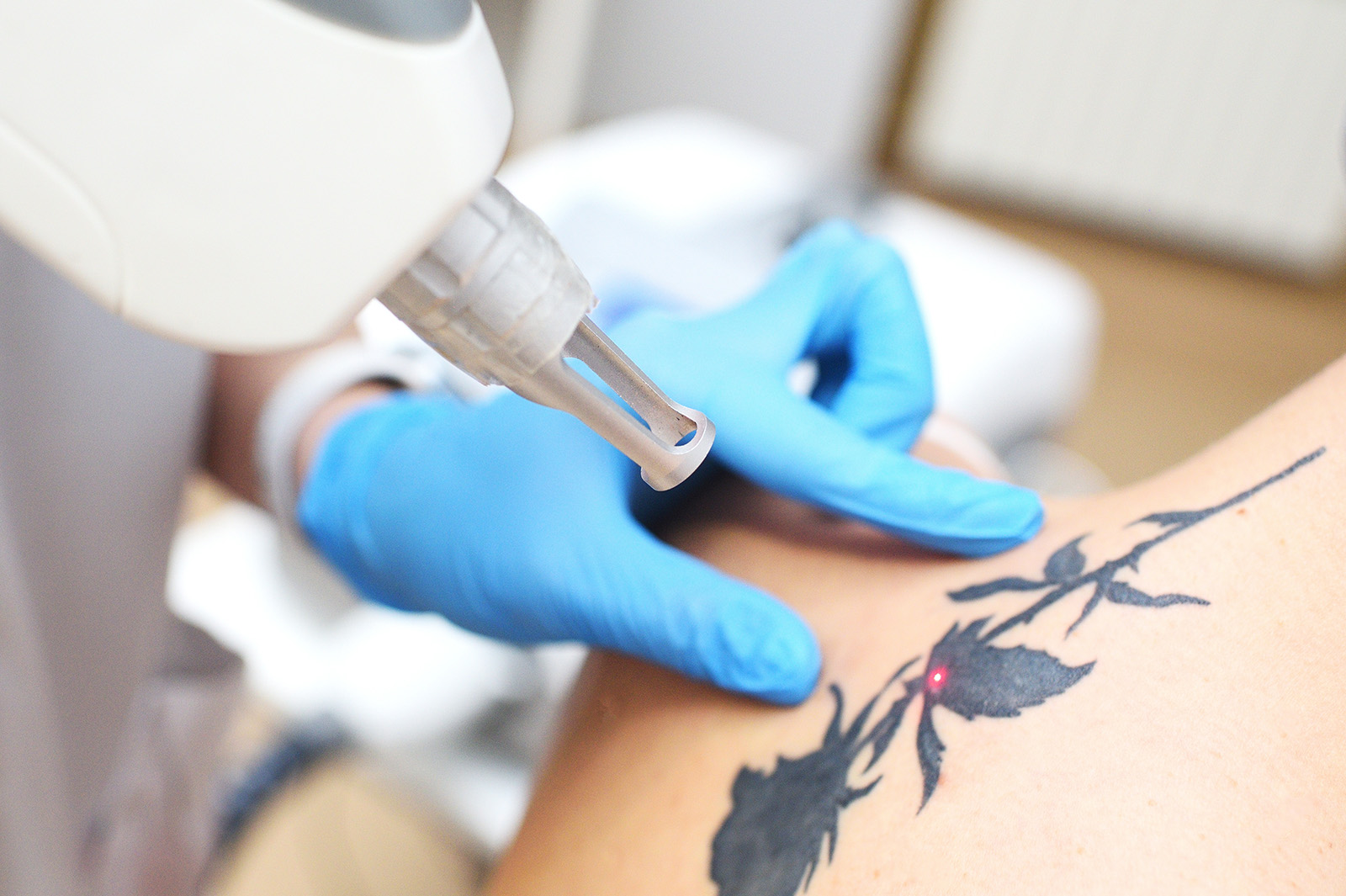
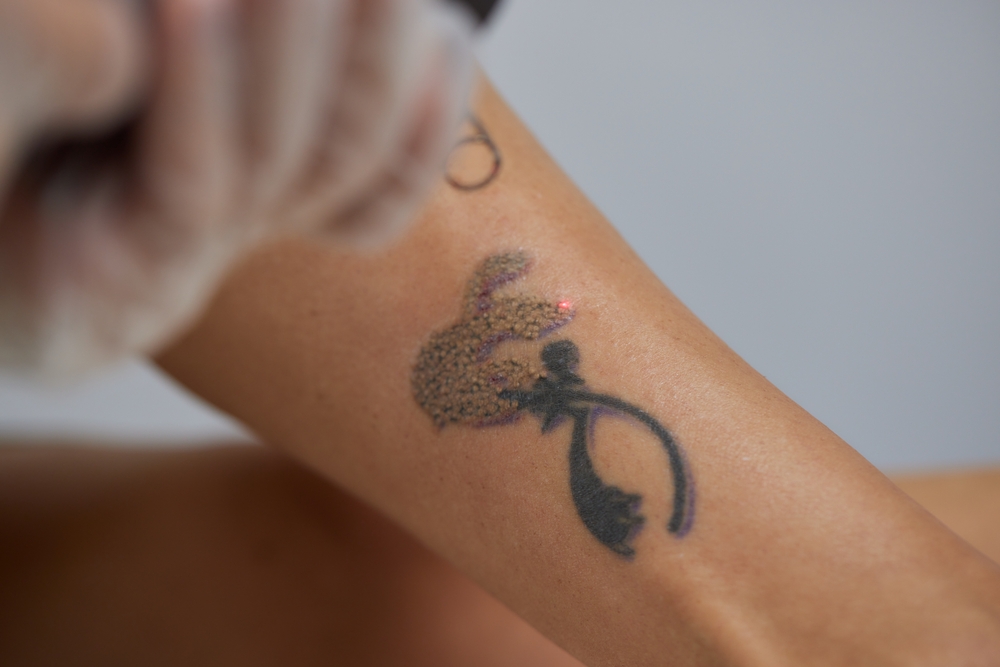
Most people find that laser tattoo removal hurts more than getting the original tattoo, though the sessions are significantly shorter. The question “does laser tattoo removal hurt more than getting a tattoo” comes up constantly in consultations, and the honest answer is that the laser delivers concentrated heat pulses in milliseconds that feel sharper and more abrupt than a tattoo needle’s steady rhythm. Each laser burst targets ink already embedded in your dermis with intense focused energy, creating a snapping sensation that many compare to hot grease or a rubber band repeatedly striking the same spot. While getting tattooed involves sustained discomfort over a longer period, laser removal compresses that intensity into quick bursts that can feel more acute, even though treatment sessions typically last only minutes compared to hours in the tattoo chair.
How the two pain experiences compare
| Criterion | Getting a tattoo | Laser tattoo removal |
|---|---|---|
| Sensation pattern | Continuous dragging or scratching motion | Sharp bursts or snaps concentrated in one spot |
| Session length | Depends on tattoo size and complexity | Depends on tattoo size and ink density |
| Number of visits | Single session for most designs | Multiple sessions; count driven by ink depth, colour and skin response |
| Pain intensity | Steady pressure that accumulates | Sharper, more concentrated feeling in pulses |
| Who finds it harder | Those sensitive to prolonged discomfort | Those sensitive to sudden, intense bursts |
The table below sets out the main differences between getting a tattoo and having it removed. Use it to judge which process may feel more intense for you.
What does laser tattoo removal pain feel like compared to the original needle? Most people describe removal as sharper and more concentrated. The laser fires in pulses rather than dragging across skin, so the sensation arrives in quick, hot snaps instead of a continuous sting. Does tattoo removal hurt more than getting the tattoo? That depends on your pain tolerance and which pattern bothers you more – a steady scratch or repeated bursts. Both experiences vary by body location, ink saturation and the size of the area being worked on.
How our laser technology affects pain levels
The Q-switched laser we use delivers energy in nanosecond pulses that shatter ink particles without cutting or burning tissue. That speed matters because the pulse exits before nerve endings can send a prolonged pain signal. You feel a sharp snap rather than the dragging burn a tattoo needle creates as it moves through skin.
Wavelength also plays a role. Our system targets specific ink colours with matched light frequencies, so energy travels to the pigment and stops there instead of heating surrounding tissue. Black ink absorbs all wavelengths, which is why dense black tattoos often feel sharper during removal than pastel watercolour designs do.
Cooling air runs across the treatment site throughout each session, lowering skin temperature and blunting the nerve response. The cooling does not eliminate sensation, but most clients describe the pain as tolerable when the air flow stays constant.
Session length keeps discomfort finite. A small tattoo may take minutes to treat, while a full sleeve requires longer. The total pain exposure shrinks compared to the hours you spent under the needle, even when individual pulses feel more intense.
Does laser tattoo removal hurt more than getting a tattoo?
Pain intensity depends on factors the original tattoo process did not test together. Laser pulses concentrate energy in a split second, producing a sharper spike than the steady scratch of a needle. Ink density multiplies that effect because saturated areas require higher energy to break pigment apart. Location remains constant across both experiences, but the laser often feels harsher over bone or thin skin because there is less tissue to absorb the pulse.
Most clients report that the laser pain feels more acute per second but ends faster overall. A rib piece that took hours to ink may need only minutes of laser time across all sessions combined, though each pulse over those ribs will test your threshold.
Most clients report sharper pain during removal
Laser tattoo removal typically hurts more than the original tattoo application. The laser breaks ink particles into fragments your immune system can clear, and that process concentrates energy into very short pulses. Most people describe the sensation as sharper and more intense than the needle that placed the ink. The difference matters because the expectation of similar pain often surprises first-time clients.
The original tattoo spread pigment across a session that could last minutes or hours, depending on size. Removal condenses comparable energy into microsecond bursts that target each ink particle. Your skin absorbs that energy as heat, and the surrounding tissue registers it as a more acute sensation than the sustained pressure of a tattoo needle.
How painful is laser tattoo removal compared to getting the design? The answer depends on three factors: where the tattoo sits, how densely the artist packed the ink, and your own pain threshold. A small ankle piece that felt manageable under the gun may produce a sharper sting during removal because bone sits close to the surface and the laser has less tissue to disperse through.
Clients who tolerated large back pieces sometimes find finger or rib removal harder to sit through. The same technology applied to different anatomy produces different sensations, and the cumulative effect across multiple sessions adds a fatigue element the single tattoo sitting did not involve.
Where the tattoo sits changes which process hurts more
Location and ink density change the pain equation in ways the original tattoo process never did. Bony areas and saturated black ink produce sharper sensations than the same spot felt under the needle.
How does ink density affect removal pain?
Denser ink requires more laser energy to break apart, and you feel that extra work. A solid black tribal band holds more pigment per square centimetre than a fine-line script, so each pulse has more particles to shatter. The laser fires at higher intensity or for longer bursts, and the heat builds faster in the surrounding tissue. You notice a sharper sting and longer recovery between sessions.
Colour also plays a role. Black and dark blue absorb the most laser energy, which makes them easier to remove but hotter to treat. Lighter pigments scatter energy and may need different wavelengths, though the sensation often feels less acute. Layered cover-ups stack ink density even higher, turning a single session into a prolonged test of endurance.
Laser tattoo removal pain management starts with knowing which variables you cannot change. If your tattoo sits over bone and uses heavy saturation, expect sharper discomfort than the original sitting produced. Plan your pain strategy around these fixed factors rather than hoping the process will feel similar.
Why the rubber-band description falls short
The snap-of-a-rubber-band analogy understates the sensation for most clients, especially over ankles, ribs, and hands. The laser’s energy concentrates in thin tissue, and those areas already tested your pain threshold during the original tattoo.
The rubber-band comparison suggests a brief sting followed by nothing. Removal feels sharper and lingers longer. Each pulse delivers concentrated heat to shatter ink particles, and the surrounding skin absorbs that energy. Over bone, you feel the vibration deeper. Over dense ink, the laser fires more pulses in the same spot. The cumulative effect builds in a way the analogy never captures.
What does laser hair removal actually feel like?
Laser hair removal feels like a rubber band flicked against your skin in quick succession. The sensation is brief, and most clients tolerate it without numbing. The discomfort peaks during the pulse and fades immediately. Tattoo removal lingers. The heat builds, and the treated skin feels tender before the next pulse arrives. Knowing how to reduce pain during laser tattoo removal means understanding that the rubber-band comparison sets the wrong expectation. The sensation is sharper, longer, and more localised than the analogy suggests.
If you are weighing removal, ask your practitioner to describe the sensation in terms that match your tattoo’s size, colour, and location. The rubber-band line is shorthand, not a preview.
What are your options for managing the pain?
You have several methods to reduce discomfort during laser tattoo removal, each with distinct benefits and limitations. Topical numbing cream for tattoo removal is the most common starting point. You apply it to the treatment area before your session. It dulls surface sensation without requiring a needle. The cream works well for smaller tattoos and areas with more tissue padding. It adds time to your appointment and may not penetrate deeply enough for dense ink or bony locations.
Cooling devices blow chilled air onto the skin during treatment. They reduce heat buildup and provide mild distraction from the laser pulses. Cooling works as a complement to other methods rather than a stand-alone solution. It shortens recovery time by limiting inflammation. You feel the laser through the cooling, but the contrast makes each pulse more tolerable.
Some clinics offer inhaled analgesic gas as an adjunct. You control the flow through a mouthpiece during the session. The gas takes the edge off pain without eliminating it. It wears off quickly after stopping inhalation. This option adds cost and requires monitoring. It suits clients who want relief without waiting for topical numbing to take effect.
What pain is equal to tattoo removal?
Clients who have experienced both processes often compare the laser to a sharper, more concentrated version of the tattooing needle. The original tattoo dragged ink across tissue over an extended period. Laser removal delivers high-energy pulses in seconds, each one breaking pigment particles without the sustained contact of a needle. Bony sites amplify both sensations, but the laser’s brevity means you endure peak discomfort for a shorter total duration. The trade-off is intensity over time.
Is the pain worth it?
For most of our clients, yes. The discomfort is real, but each pulse lasts a fraction of a second, sessions are over in minutes, and the sting fades soon after. What stays is the result.
Many people come to us after years of covering up a tattoo they no longer feel connected to. When we ask at follow-up appointments, the answer we hear most often is that the pain was worth it, and plenty say they wish they had started sooner. With numbing cream beforehand and cooling throughout, most find each visit easier than they expected, and every session brings them closer to skin they are happy with again.
Book a consultation to discuss pain management
You now know that does laser tattoo removal hurt more than getting a tattoo depends on where the ink sits, how dense it is, and which numbing route you choose. The question left is which combination works for your tattoo and your pain threshold.
Our laser tattoo removal consultation walks through your tattoo’s location, the ink depth we see on examination, and the numbing methods that fit your session plan. We measure the area, explain what each pulse will feel like in that spot, and agree on a pain-management approach before you commit to a course. You leave with a written plan that names the numbing method, the estimated session count, and the interval between treatments.
Book a consultation so we can match the pain control to the tattoo you want removed. The assessment takes twenty minutes and gives you the information you need to decide whether removal fits your tolerance.
FAQs
What pain is equal to getting a tattoo?
Laser tattoo removal delivers sharper, more concentrated discomfort than the original tattoo needle because it compresses high-energy pulses into microseconds rather than sustaining pressure over minutes or hours. Clients describe the laser as a hot needle scratch or burning snap that repeats, with sensation that lingers between pulses.
Why does laser removal feel sharper than the original tattoo?
The Q-switched laser delivers energy in nanosecond pulses that shatter ink particles without cutting tissue. That speed matters because the pulse exits before nerve endings can send a prolonged pain signal.
Which pain management option works best for laser tattoo removal?
Topical numbing cream is the most common starting point and works well for smaller tattoos. Pairing it with cooling air during treatment helps on larger tattoos and bony locations.
Does location affect how painful laser removal feels compared to getting the tattoo?
Yes, bony areas like ankles, ribs, and collarbones make a measurable difference. The laser pulse meets resistance at the bone surface, amplifying sensation into a concentrated jolt.
Are tattoos or laser hair removal more painful?
Laser hair removal and tattoo removal use different wavelengths and pulse durations, so the sensations do not match. Hair removal targets melanin in follicles with longer pulses that feel like a warm pinch.